%20(1).jpg)

Businesses depend on reliable systems to stay productive, but even the best technology needs regular attention. In this blog, you’ll learn how IT support and maintenance services keep your systems running smoothly, what proactive steps help prevent downtime, and why a strong support team is essential. We’ll cover the basics of maintenance service, explore common myths, highlight key benefits, and share practical tips for choosing service providers and ensuring business continuity.
IT support and maintenance services are the backbone of any business that relies on technology. These services help ensure your hardware and software are always up-to-date, secure, and working as expected. Without regular attention, even minor issues can turn into major disruptions that slow down your team or cause costly outages.
A good support team doesn’t just fix problems—they use proactive maintenance to spot and resolve issues before they affect your business. By focusing on preventive maintenance, you can reduce the risk of system downtime, keep your data safe, and make sure your technology investments deliver real value. Understanding the basics of system maintenance is the first step toward building a more reliable and efficient business.

Many businesses fall for common myths or make mistakes when it comes to IT support and maintenance services. Here are some of the biggest ones to watch out for:
Some believe only large organizations need regular IT support. In reality, businesses of all sizes benefit from maintenance services. Even small issues can cause major disruption if left unchecked.
Reactive support services may seem cheaper, but waiting for a problem can lead to longer downtime and higher costs. Proactive maintenance helps prevent issues before they become emergencies.
Skipping updates can leave your systems open to vulnerability. Regular software updates and patch management are essential for keeping your hardware and software secure.
Not all maintenance and support services offer the same level of expertise or response time. Choosing the right service providers is key to getting fast, effective help when you need it.
Without clear records of your systems and previous issues, it’s harder to resolve problems quickly. Good documentation helps your support team work efficiently and reduces downtime.
While no system is perfect, regular IT maintenance and proactive support can minimize downtime and help prevent unexpected outages.
Here are some of the main reasons businesses invest in these services:
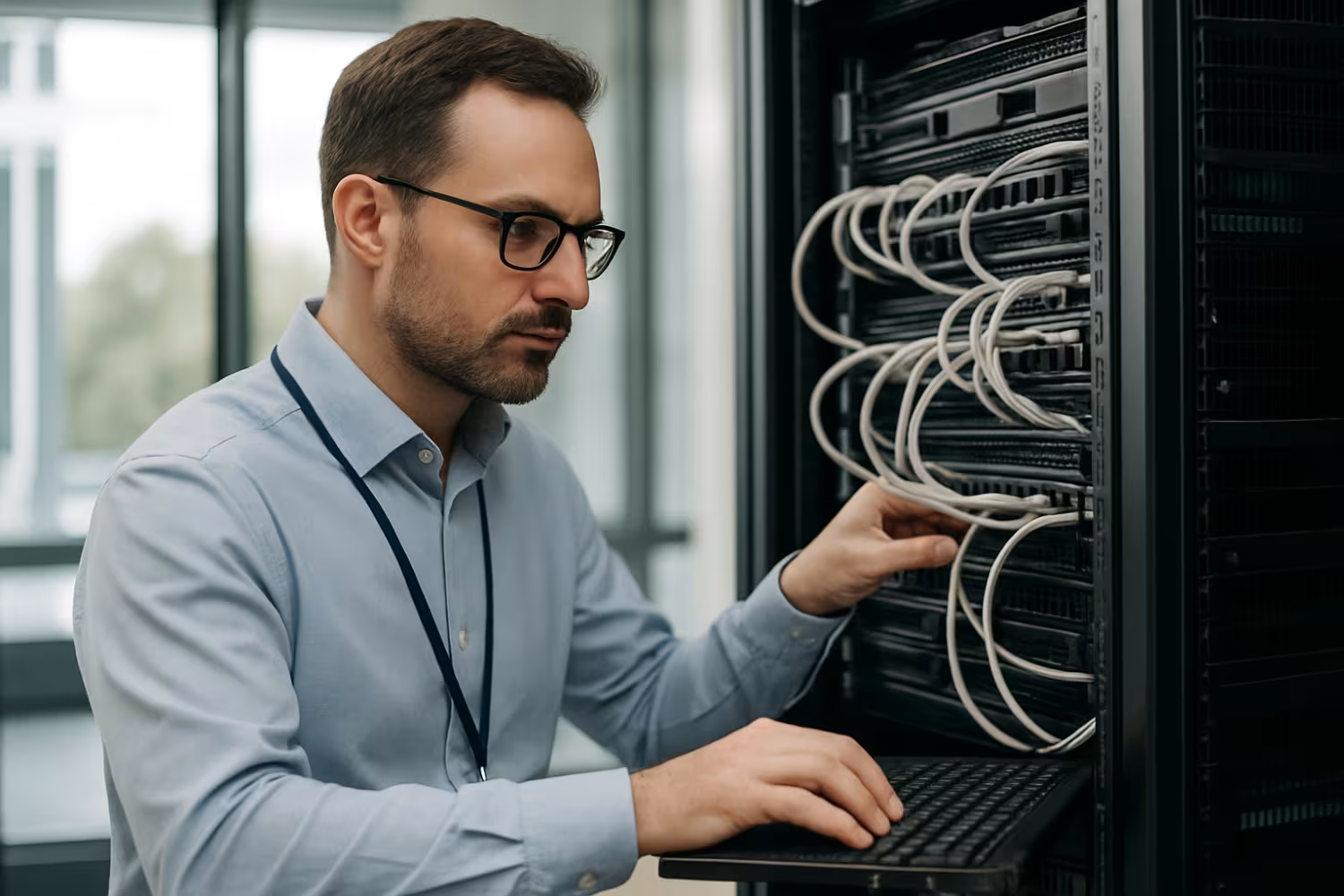
Business continuity depends on having reliable technology that works when you need it. Support and maintenance services help you avoid costly downtime by identifying and fixing problems early. This proactive approach means your business can keep operating smoothly, even if unexpected issues arise.
Regular system maintenance also protects your data and ensures compliance with industry standards. By partnering with experienced service providers, you gain peace of mind knowing your systems are monitored and maintained by experts. This lets you focus on your core business, rather than worrying about IT disruptions.
There are several types of maintenance that keep your IT environment healthy. Here’s a breakdown of the most important ones:
This involves regular checks and updates to help prevent issues before they start. Tasks might include cleaning hardware, updating software, and checking for early signs of trouble.
When something goes wrong, corrective maintenance steps in to fix the problem. This could mean repairing a server, restoring lost data, or resolving a software glitch.
Using monitoring tools, predictive maintenance looks for warning signs that a system might fail soon. By catching these signals early, you can schedule repairs before an outage occurs.
As your business grows, your IT needs change. Adaptive maintenance updates your systems to support new tools, software, or business processes.
Some tasks need to happen on a regular schedule, like monthly server reboots or yearly hardware replacements. Scheduled maintenance ensures nothing gets missed.
Sometimes, urgent action is needed to resolve a critical issue. Emergency maintenance focuses on getting your systems running again as quickly as possible.

To get the most from IT support and maintenance services, it’s important to have a clear plan. Start by identifying your most critical systems and setting up a maintenance schedule for each one. Make sure your support team has access to up-to-date documentation and knows how to respond to different types of issues.
Work with trusted service providers who understand your business needs and can offer tailored solutions. Regular reviews and updates to your maintenance plan will help you stay ahead of new threats and technology changes. By making system maintenance a priority, you can reduce downtime and keep your business moving forward.
Follow these tips to get the most value from your IT investments:
Staying proactive helps prevent issues and keeps your systems reliable.

Are you a business with 10 to 350 employees looking for reliable IT support and maintenance services? If your company is growing, you need solutions that scale with you and keep your systems running smoothly without disruption.
We understand the challenges of managing hardware and software, reducing downtime, and ensuring business continuity. Our team provides expert system maintenance, proactive support, and fast response to help prevent outages. Contact us today to see how we can help your business stay secure and productive.
Support services provide expert help to keep your systems running and resolve issues quickly. They include a support team that monitors your hardware and software, performs preventive maintenance, and responds to problems before they cause disruption. By using these services, you can minimize downtime and keep your business productive.
A good support team also helps prevent vulnerability by applying software updates and patch management. This proactive approach improves reliability and protects your data from threats.
Scheduling regular maintenance service is key to keeping your systems running smoothly. Most businesses benefit from monthly or quarterly checkups, depending on their size and complexity. These checkups help prevent unexpected outages and ensure your hardware and software stay up-to-date.
Preventive maintenance also allows your support team to spot early warning signs and resolve small issues before they become big problems. This reduces the risk of downtime and keeps your technology reliable.
Maintenance and support services typically cover system maintenance, troubleshooting, software updates, and patch management. They may also include monitoring your server, managing backups, and providing cybersecurity advice.
By working with experienced service providers, you can ensure your systems are protected from threats and running at peak performance. This helps prevent disruption and supports business continuity.
Support and maintenance are essential for reducing downtime because they address problems before they cause an outage. Regular system maintenance includes checking for hardware and software issues, applying updates, and monitoring performance.
Proactive maintenance helps prevent unexpected failures and keeps your systems reliable. By resolving issues early, you can minimize downtime and avoid costly disruptions to your business.
Service providers play a key role in business continuity by offering expert support and maintenance services. They monitor your systems, perform regular checkups, and respond quickly to any issues that arise.
Their proactive approach helps prevent outages and ensures your data is safe. By partnering with the right providers, you can keep your business running smoothly even during unexpected challenges.
The benefits of IT maintenance include improved reliability, reduced risk of system downtime, and better protection against cybersecurity threats. Regular maintenance also helps your systems adapt to changing business needs.
By investing in these services, you can ensure your technology supports your growth and helps prevent costly disruptions. This is especially important for businesses with 10 to 350 employees that rely on dependable IT systems.


.svg)
-svg.webp)
.svg)

%2520(1).avif)