%20(1).jpg)

The finance industry is changing fast, and IT is at the center of this transformation. In this blog, you’ll learn how IT in finance industry is shaping everything from financial service delivery to the use of AI. We’ll cover how financial institutions are using technology to improve banking, boost efficiency, and meet customer needs. You’ll also discover the impact of fintech, digital transformation, and automation on the financial sector, including how machine learning and fraud detection are improving risk management and profitability.
IT in the finance industry is about more than just computers and software. It covers everything from secure online banking to automated trading systems. Financial institutions depend on reliable systems to keep transactions safe and data accurate. As technology advances, IT teams must keep up with new threats and opportunities.
Banks and other financial organizations use IT to handle huge amounts of data, support digital banking, and follow strict regulations. This means investing in secure networks, up-to-date software, and skilled staff. The right IT setup helps companies stay competitive and meet changing customer expectations.

Technology is changing how financial service providers operate. Here are six important ways IT is making a difference:
Modern IT systems help banks and lenders offer secure online services. This protects customer data and builds trust. Strong security also helps prevent fraud and cyberattacks.
Fast IT networks allow financial institutions to process transactions instantly. This improves customer experience and makes financial management more efficient.
Automation helps companies follow financial rules without manual work. These tools reduce errors and save time, making it easier to keep up with regulations.
AI-powered chatbots and support tools can answer questions 24/7. This means customers get help when they need it, improving satisfaction and loyalty.
IT systems use predictive analytics to spot risks before they become problems. This helps banks make better decisions and avoid costly mistakes.
Banks are working with fintech companies to offer new services. IT makes it possible to connect different platforms and provide more options for customers.
Here are some of the main advantages IT brings to the finance industry:
Digital transformation is changing how financial companies operate. By moving services online and automating routine tasks, organizations can serve more customers with fewer resources. This shift also makes it easier to launch new products and respond to market changes quickly.
For many financial institutions, digital transformation means updating old systems and training staff on new technology. It also involves using big data and machine learning to understand customer needs and improve services. The result is a more flexible, efficient, and customer-friendly finance industry.
Automation is making financial management easier and more reliable. Here are five ways automation is used in the finance industry:
Automated systems can handle invoices from start to finish. This reduces manual work and helps avoid payment delays or mistakes.
Machine learning tools scan transactions for signs of fraud. They can spot unusual patterns and alert staff before problems grow.
Automation helps companies prepare and submit reports to regulators. This ensures accuracy and saves time, especially during audits.
Digital tools speed up the process of opening new accounts. Customers can upload documents and verify their identity online, making onboarding smoother.
Automated systems help manage investments by tracking performance and suggesting changes. This supports better returns and reduces risk for clients.

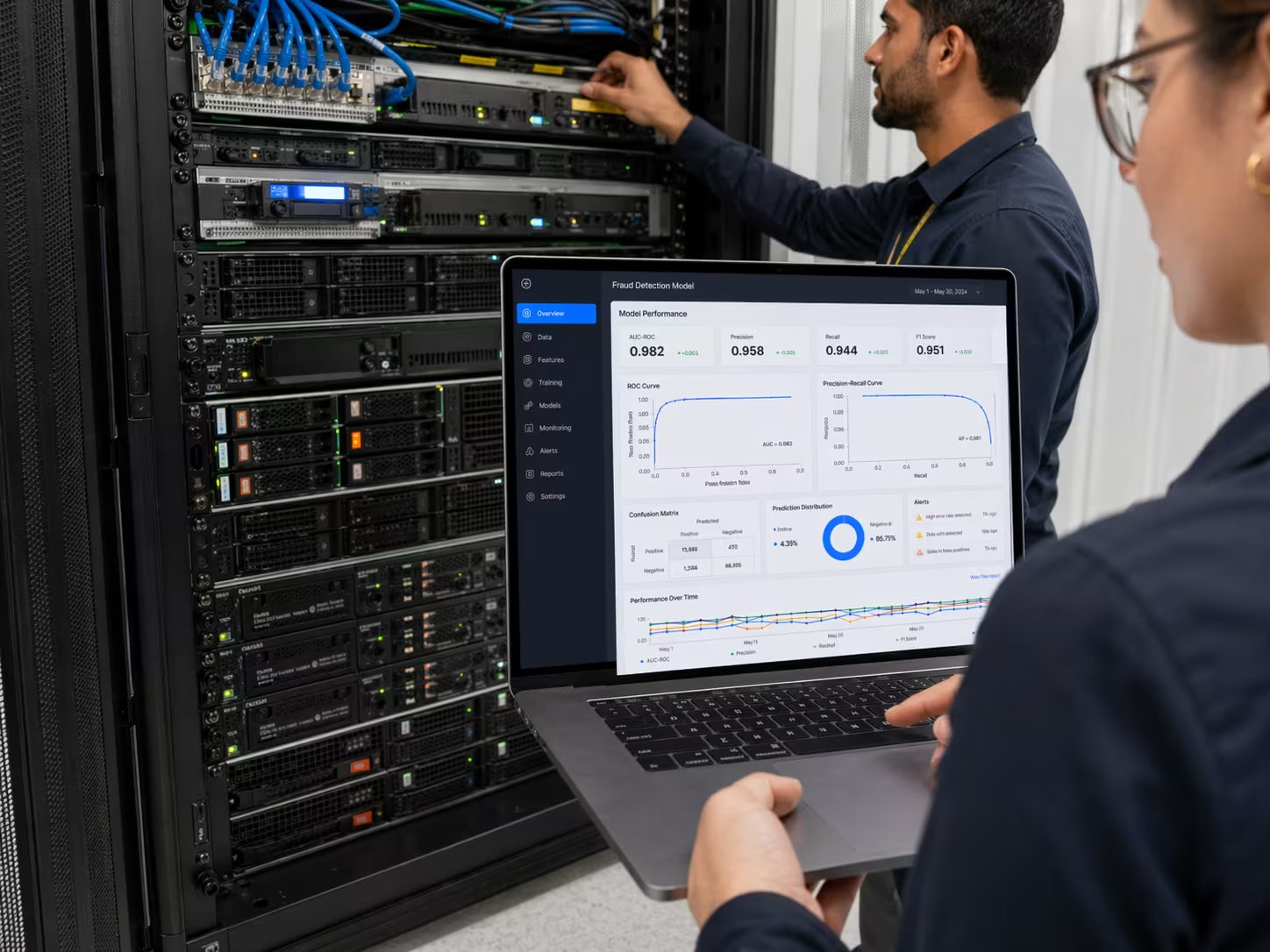
Atlanta IT professional integrating financial software
Getting started with IT in the finance industry requires careful planning. First, assess your current systems and identify areas that need improvement. This might include upgrading software, improving cybersecurity, or training staff on new tools.
Next, set clear goals for what you want to achieve—like faster transactions, better compliance, or improved customer experience. Work with IT experts to choose the right solutions for your business size and needs. Regularly review your progress and make adjustments as technology and regulations change.
Managing IT in the finance industry can be complex. Here are some best practices to follow:
Following these steps can help your organization stay secure, efficient, and ready for the future.

Are you a business with 10 to 350 employees looking to improve your IT in the finance industry setup? If your company is growing and needs reliable systems, our team can help you find the right solutions to support your goals.
We understand the unique challenges of the finance industry, from security to compliance. Let Carmichael Consulting Solutions guide you through technology upgrades, digital transformation, and ongoing IT support. Reach out to us today to see how we can help your business succeed.
Financial technology can help small finance companies improve efficiency and security. By using automation and AI, you can process transactions faster and reduce manual errors. This leads to better customer experience and lower costs.
It also supports compliance with regulations and helps detect fraud early. Adopting these tools can make your business more competitive and responsive to customer needs.
AI helps banks analyze large amounts of data to spot risks quickly. Machine learning can identify unusual patterns that may signal fraud or credit issues, allowing staff to act before problems grow.
This technology also supports better decision-making by providing accurate, real-time insights. With AI, banks can improve their risk assessment processes and protect both the business and its customers.
Digital transformation allows financial institutions to offer more flexible and convenient services. Moving to digital platforms means customers can access accounts and support anytime, anywhere.
It also helps companies streamline operations and reduce costs. By adopting new technology, financial institutions can stay ahead of industry trends and meet changing customer expectations.
Automation simplifies routine financial tasks like invoicing and reporting. This frees up staff to focus on more complex work and helps prevent mistakes that could impact profitability.
For growing businesses, automation also makes it easier to scale operations. As your company expands, automated systems can handle increased workloads without adding extra staff.
Predictive analytics uses big data and data analysis to forecast customer needs and market trends. This allows companies to tailor products and services to what customers want.
By understanding patterns in customer behavior, financial sector businesses can improve satisfaction and build loyalty. Predictive analytics also supports smarter marketing and risk management strategies.
CFOs should look for IT solutions that support both current needs and future growth. Consider factors like security, ease of use, and compatibility with existing systems.
It’s also important to choose technology that can adapt as regulations and customer expectations change. Working with experienced IT partners can help CFOs make informed decisions and shape the future of their finance function.
After almost 15 years working in corporate Information Technology in Atlanta, Georgia, Tyler Jones left his role as Vice President of Service Operations with a national payroll provider in 2011 to start Carmichael Consulting Solutions, LLC.


.svg)
-svg.webp)
.svg)