%20(1).jpg)

Businesses of every size face growing risks from cyber threats. IT security consulting helps you protect your data, meet regulations, and keep your operations running smoothly. In this blog, you’ll learn what IT security consulting is, how it works, and what makes it valuable for your company. We’ll also cover security services, risk management, and how a strong security posture can help your business avoid costly incidents.
IT security consulting is a service that helps organizations identify, manage, and reduce risks related to their information technology systems. Consultants work with you to review your current security measures, spot weaknesses, and recommend steps to strengthen your defenses. This process often includes reviewing your IT security policy, checking for vulnerabilities, and making sure your business follows industry rules.
A good IT security consultant will also help you build a plan to respond to incidents and recover quickly if something goes wrong. By working with experts, you can avoid common mistakes and create a safer environment for your data and employees. This is especially important for companies that handle sensitive information or must meet strict regulatory compliance standards.

IT security consulting can make a big difference in how well your company avoids and responds to threats. Here are some of the most important ways consultants help:
Many businesses skip regular security checks, thinking their current systems are enough. This leaves gaps that attackers can find and use. Regular assessments help you spot problems early and fix them before they cause damage.
Even small changes to your network or software can create new risks. Security consulting services make sure every update is safe and doesn’t open the door to cyber threats.
Insurance can help after a breach, but it won’t stop one from happening. IT security consulting focuses on preventing incidents, not just dealing with the aftermath.
An outdated IT security policy can lead to confusion and mistakes. Consultants help you keep your policies current so everyone knows what to do and how to stay safe.
Without a clear plan, your team may not know how to react during a security incident. Consultants help you create step-by-step response plans that limit damage and speed up recovery.
Attackers often look for easy targets. Regular vulnerability testing finds weak spots before criminals do, helping you fix them quickly.
Employees are often the first line of defense. Consultants can provide training so your staff knows how to spot and avoid common threats like phishing emails.
Choosing IT security consulting brings several advantages to your business:

Managed security services are a key part of IT security consulting. These services provide ongoing monitoring and support, so you don’t have to handle everything on your own. With managed security, experts watch your systems 24/7, looking for signs of trouble and responding right away if they spot anything unusual.
This approach helps you stay ahead of cyber risks and frees up your team to focus on other priorities. It also means you get access to the latest security tools and updates without having to manage them yourself. For many businesses, managed security services are a cost-effective way to improve protection and reduce stress.
A strong security risk assessment is essential for protecting your business. Here are the main steps consultants use to help you build a safer environment:
First, consultants help you list all the important assets and data your business needs to protect. This includes computers, servers, customer information, and more.
Next, they review your existing security controls to see what’s working and what needs improvement. This step often uncovers gaps that could put your business at risk.
Consultants look at the types of cyber threats your business might face, such as malware, phishing, or ransomware. Understanding these risks helps you prepare for them.
They check for vulnerabilities in your systems, software, and processes. This might include running penetration testing to see how easily an attacker could get in.
Not all risks are equal. Consultants help you rank them based on how likely they are to happen and how much damage they could cause.
After identifying the biggest risks, consultants suggest practical steps to reduce them. This could involve updating software, changing passwords, or adding new security tools.
Security is not a one-time job. Consultants recommend reviewing your risk assessment process regularly to keep up with new threats and changes in your business.
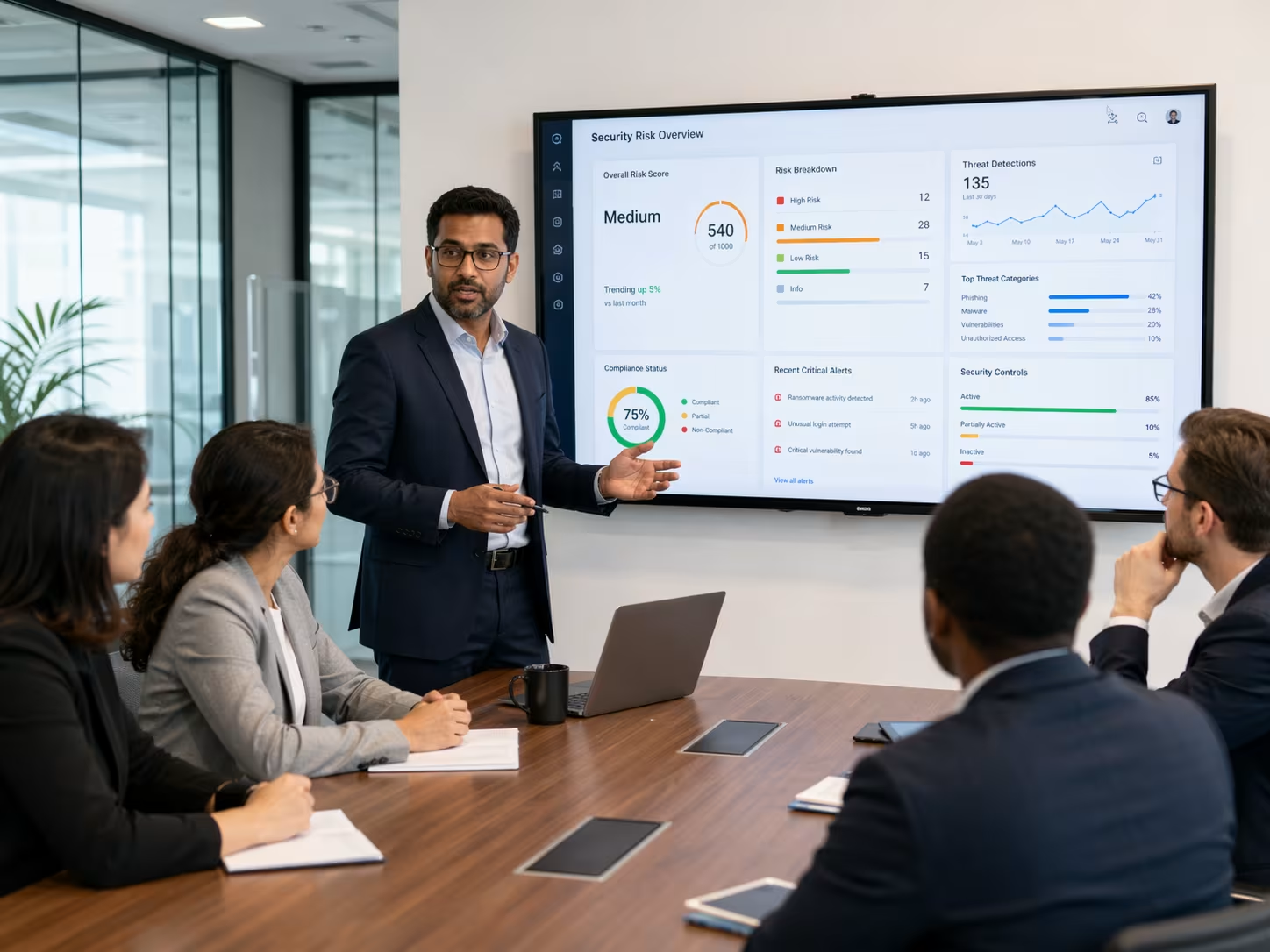
Putting IT security consulting recommendations into action takes planning and teamwork. Start by making sure everyone understands the importance of following your IT security policy. Clear communication helps prevent mistakes and keeps your team focused on shared goals.
Work with your consultant to set priorities and create a timeline for changes. Some fixes, like updating passwords or installing patches, can be done quickly. Others, such as rolling out new security software, may take more time and training. Regular check-ins with your consultant ensure progress stays on track and any new issues are addressed right away.
Keeping your business safe is an ongoing effort. Here are some best practices to follow:
Following these steps helps protect your business and keep your security posture strong.

Are you a business with 10 to 350 employees looking for reliable IT security consulting? Growing companies often face new security risks as they expand, and it’s easy to overlook important details. Our team understands the unique challenges you face and can help you build a safer, more secure environment.
We specialize in helping businesses like yours develop strong IT security policies, respond to incidents, and stay ahead of cyber threats. If you want expert advice and ongoing support, contact us today to see how we can help you protect your business.
Cybersecurity consulting involves working with experts to review your systems, identify risks, and build a plan to protect your data. These consultants use their knowledge of risk management and information security to help you avoid breaches and keep your business running smoothly. By partnering with a consultant, you get tailored advice and practical solutions to improve your security posture.
Consultants can also help you respond quickly to incidents, reducing downtime and financial loss. They stay up to date on the latest threats and frameworks, so your business is always prepared for new challenges.
Consulting services focus on assessing your current security setup, identifying weaknesses, and recommending improvements. They often provide one-time or project-based support to help you build a stronger foundation. Managed security services, on the other hand, offer ongoing monitoring and protection for your systems.
With managed security, experts watch your network 24/7 and respond to threats as they happen. Both services are important, but consulting is usually the first step to understanding your needs and building a plan.
Security consulting services give small businesses access to expert advice without the cost of hiring a full-time specialist. Consultants help you spot vulnerabilities and create a plan to fix them, which is especially important if you don’t have a dedicated IT team.
They also help you develop a clear IT security policy and train your staff to recognize cyber threats. This proactive approach reduces your risk and helps you meet industry standards.
A cyber risk assessment is a process where consultants identify your most valuable assets, review your current protections, and look for potential threats. This helps you understand where your biggest risks are and what steps you need to take to reduce them.
Regular risk assessments keep your business prepared for new threats and changes in technology. They also make sure your security measures stay effective as your company grows.
During a security risk assessment, consultants will review your systems, policies, and processes to find gaps or weaknesses. They may use tools like penetration testing to see how easily an attacker could get in.
After the assessment, you’ll get a report with clear recommendations for fixing any issues. This helps you prioritize improvements and keep your business safe.
To keep your IT security policy current, review it at least once a year or whenever there are major changes to your systems. Involve your consultant in the process to make sure you’re following best practices and meeting regulatory requirements.
Regular updates help your team stay aware of new threats and know exactly what steps to take in case of an incident. A strong, up-to-date policy is key to protecting your business.
After almost 15 years working in corporate Information Technology in Atlanta, Georgia, Tyler Jones left his role as Vice President of Service Operations with a national payroll provider in 2011 to start Carmichael Consulting Solutions, LLC.


.svg)
-svg.webp)
.svg)