%20(1).jpg)


Staying on top of IT compliance audit requirements is critical for businesses that handle sensitive data or operate in regulated industries. Whether you're preparing for an internal audit or facing external scrutiny, understanding the full scope of an audit can help you avoid costly mistakes. In this article, you'll learn what an IT compliance audit involves, how to conduct one effectively, and the best practices to follow. We'll also cover how to build a compliance audit checklist, meet regulatory requirements, and work with an auditor to ensure your systems are secure and compliant.
An IT compliance audit is a formal review of your organization's information systems, policies, and procedures to ensure they meet specific regulatory and industry standards. These audits help confirm that your systems are secure, your data is protected, and your operations align with legal and contractual obligations.
For many businesses, especially those in healthcare, finance, or government sectors, failing an audit can lead to fines, legal issues, and reputational damage. Regular audits also help identify gaps in your cybersecurity posture, improve internal controls, and support your overall compliance strategy.

A successful IT compliance audit requires planning, precision, and the right tools. Below are key steps to help you perform an audit that meets both internal and external expectations.
Start by identifying what systems, departments, and data types the audit will cover. This ensures your audit stays focused and relevant. A clear audit scope helps avoid wasted time and missed requirements.
Understand which laws, standards, or frameworks apply to your business. These might include HIPAA, PCI-DSS, or GDPR. Knowing the rules helps you align your audit goals with compliance needs.
Create a detailed checklist based on the regulations and internal policies you need to follow. This will guide your audit process and help you track what’s been reviewed and what still needs attention.
Before bringing in external auditors, perform an internal audit to catch any obvious issues. This gives you a chance to fix problems early and show that you're proactive about compliance.
Check who has access to sensitive systems and data. Make sure access control policies are in place and followed. This is a common area of failure in audits.
Review your cybersecurity tools, protocols, and incident response plans. A strong cybersecurity audit component is essential for passing most compliance reviews.
Keep detailed records of your audit process, findings, and actions taken. This documentation is key for both internal tracking and external validation.
A well-executed audit offers more than just regulatory peace of mind:

External audits are conducted by third-party firms or regulatory bodies to verify your compliance status. These audits are often required by law or industry standards and carry more weight than internal reviews. Working with experienced compliance auditors can help you navigate complex requirements and avoid common pitfalls.
Unlike internal audits, which are more flexible, external audits follow strict guidelines and timelines. They often include interviews, system testing, and document reviews. Being well-prepared for an external audit shows that your business takes security compliance seriously.
Even well-meaning businesses can make errors that lead to audit failures. Here are some common mistakes and how to avoid them.
Skipping or delaying regular audits increases the risk of non-compliance. Make audits part of your routine operations to stay ahead of issues.
Small oversights, like outdated software or missing documentation, can trigger bigger problems. Pay attention to every detail in your compliance checklist.
Your team plays a big role in maintaining compliance. Without proper training, even the best policies can fall short.
Regulations change over time. If your policies don’t keep up, your audit results will suffer.
Auditors rely on documentation to verify compliance. Incomplete or disorganized records can lead to failed audits.
Automation helps, but it’s not a substitute for human oversight. Combine tools with expert review for the best results.
If a third-party audit reveals issues, take them seriously. Ignoring them can lead to repeat failures and lost trust.
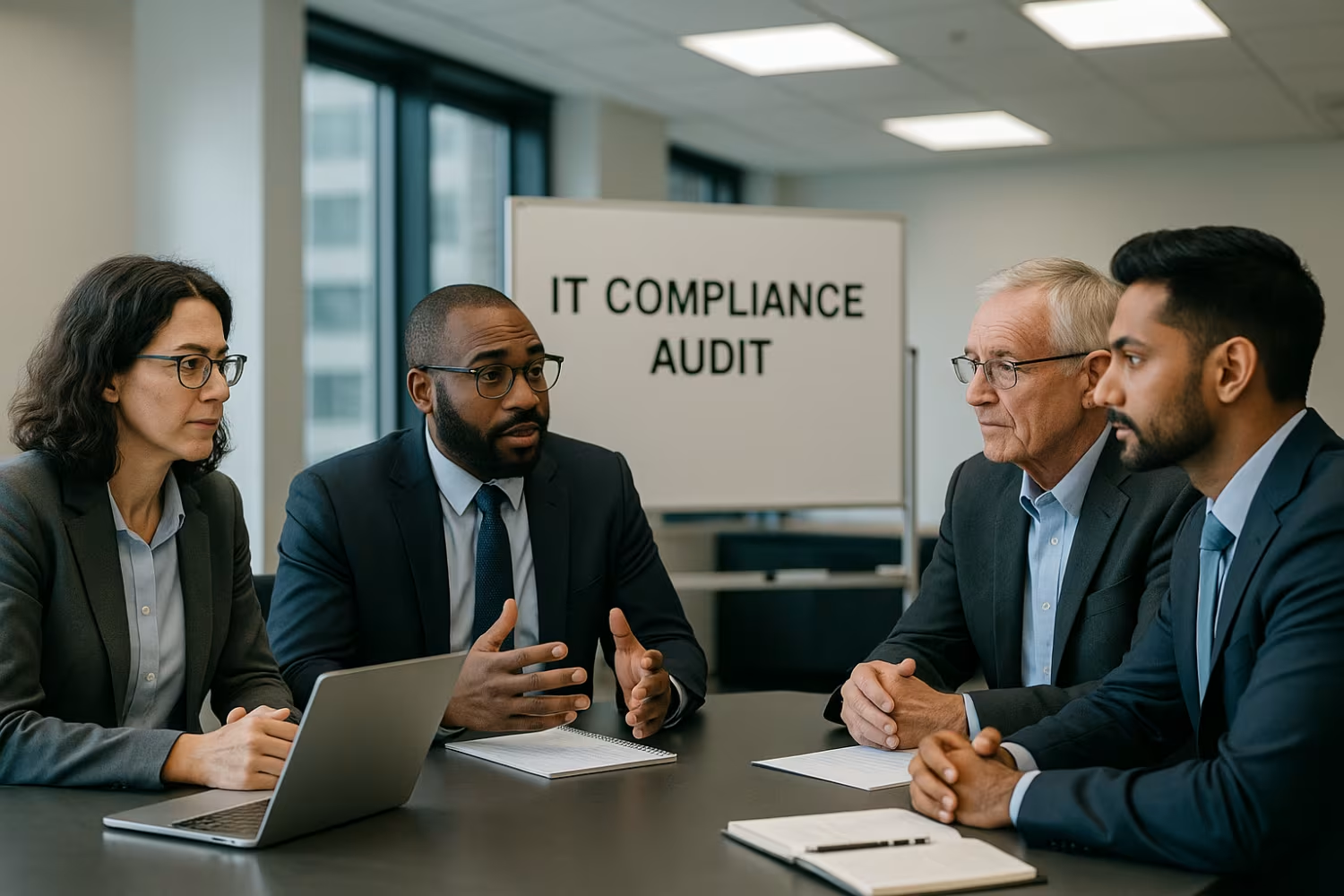
To stay compliant year-round, follow these proven strategies:

Are you a business with 10 to 350 employees looking to improve your compliance posture? If you're growing fast, managing sensitive data, or facing new regulations, it's time to take your IT compliance audit seriously.
At Carmichael Consulting Solutions, we help businesses like yours perform IT audit services that meet industry standards and reduce risk. Our team guides you through every step—from defining the audit scope to preparing for external reviews—so you can focus on running your business.
An internal audit is conducted by your own team to review operations and controls. A compliance audit, on the other hand, focuses specifically on whether your systems meet regulatory standards. Both are important, but a compliance audit is more targeted toward legal and industry requirements.
Internal audits help identify weaknesses early, while compliance audits confirm if your business is following the rules. Together, they support a strong compliance strategy and help maintain compliance over time.
Start by identifying your industry and the type of data you handle. Regulatory compliance standards like HIPAA, PCI-DSS, or SOX apply based on your operations. You may also need to follow state or regional laws.
Consulting with an auditor or IT audit services provider can help clarify which standards apply. They can also assist in creating a compliance audit checklist tailored to your business.
A good compliance audit checklist includes items like access control reviews, data encryption checks, and policy documentation. It should also cover employee training and incident response plans.
Your checklist should reflect the specific compliance requirements of your industry. This helps ensure your audit process is thorough and aligned with regulatory expectations.
Most businesses should perform an IT compliance audit at least once a year. However, if you're in a highly regulated industry or have experienced recent changes, more frequent audits may be needed.
Regular audits help you stay ahead of regulatory requirements and reduce the risk of non-compliance. They also support better risk management and security compliance.
Cybersecurity is a major part of any IT compliance audit. Auditors will check your systems for vulnerabilities, review your cybersecurity framework, and evaluate your response plans.
Strong cybersecurity practices help protect sensitive data and demonstrate your commitment to security and compliance. This can improve your audit report and reduce the risk of penalties.
Yes, many businesses use third-party audit services to ensure objectivity and expertise. These services can provide a fresh perspective and help identify issues you might miss internally.
Third-party audits are especially useful when preparing for regulatory compliance audits. They also help validate your internal processes and support continuous improvement.


.svg)
-svg.webp)
.svg)