%20(1).jpg)
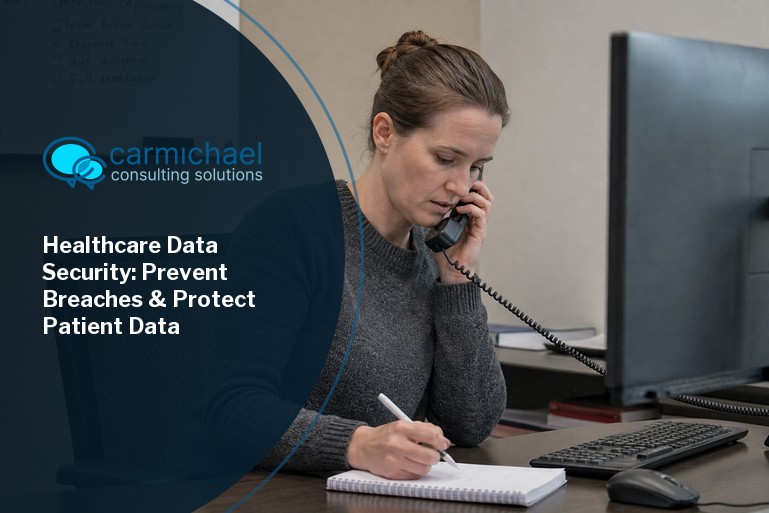
What we keep hearing from healthcare organizations is that they often underestimate how quickly a small mistake can lead to a major data breach. One overlooked email or an outdated password can put sensitive patient data at risk in ways that surprise even experienced teams.
Healthcare data security is not just about following rules—it's about protecting the trust your patients place in you every day. The reality is, industry research shows that healthcare data breaches are among the most expensive and damaging, with costs and reputational harm that can last for years. The takeaway is clear: strong healthcare data security protects both your patients and your business from threats that are more common than you might think.
If you handle sensitive healthcare data, understanding the basics of data protection is essential. Patient data, like medical histories and Social Security numbers, is a top target for cybercriminals. HIPAA sets strict standards for how healthcare providers must protect this information, but meeting those requirements takes more than just checking boxes. It means building security measures into every part of your workflow, from how you store records to how you train your staff. By focusing on healthcare data security, you help prevent breaches and keep your organization compliant and trustworthy.
Healthcare data security is all about keeping sensitive information safe from unauthorized access, theft, or loss. This includes everything from patient names and addresses to medical records and billing details. The importance of data security in healthcare can't be overstated—one breach can expose thousands of records and put both patients and your organization at risk.
Healthcare providers face unique challenges because they handle so much protected health information. HIPAA IT compliance requirements set the baseline, but real security means going beyond the basics. You need to think about physical safeguards, like secure file storage, as well as digital protections, such as data encryption and access controls. By understanding the threats to healthcare data, you can take steps to protect your systems and your reputation.
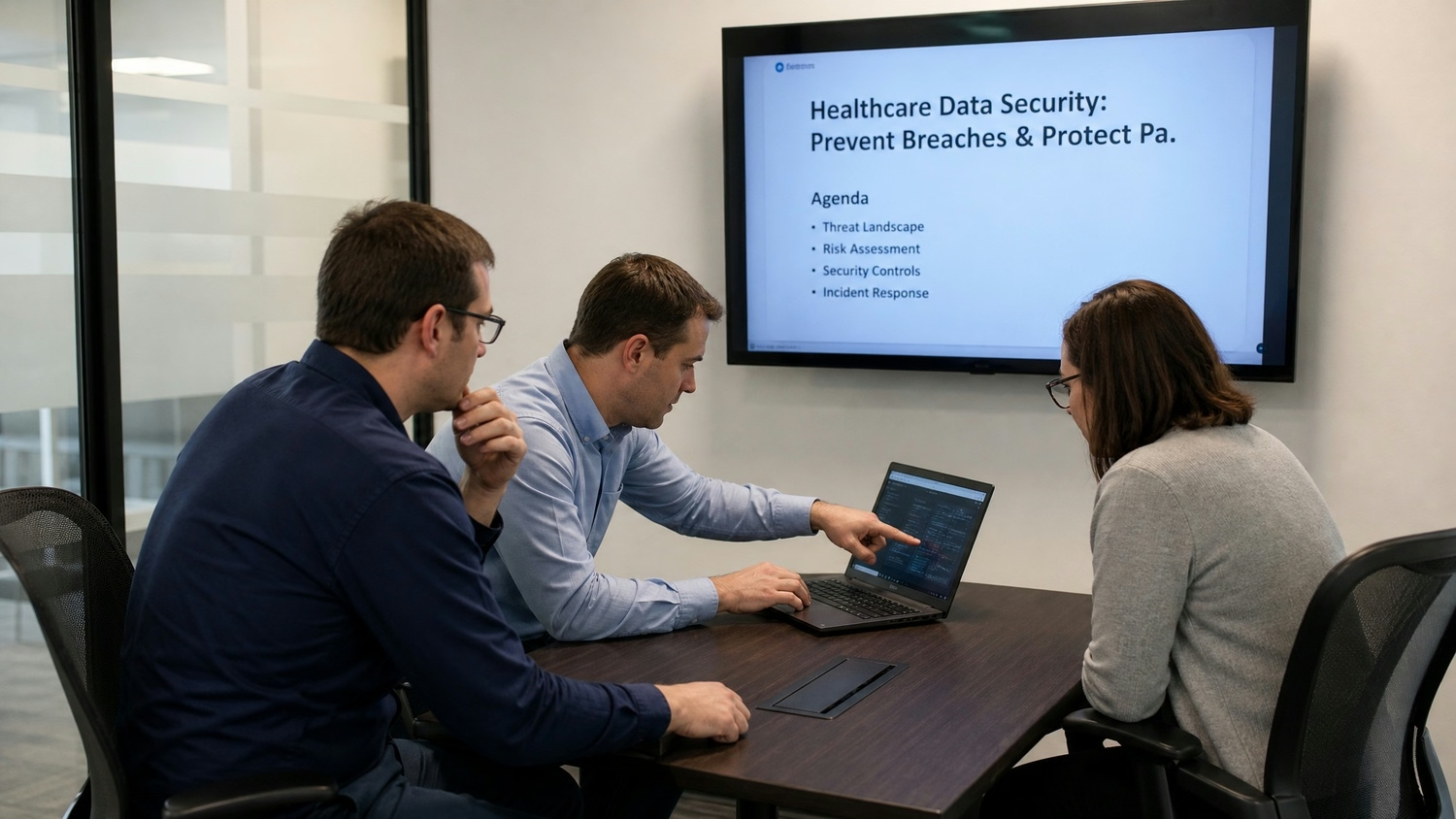
Even well-meaning teams can make mistakes that put healthcare data at risk. Here are some of the most common issues we see, and why they matter for your organization.
Using simple or repeated passwords makes it easy for attackers to break into your systems. Strong password rules and regular updates help keep unauthorized users out.
Outdated software often has security holes that hackers can exploit. Keeping your systems and applications updated is one of the easiest ways to block new threats.
Many breaches start with a simple mistake, like clicking a phishing link. Regular training helps your staff spot suspicious activity and avoid risky behavior.
When too many people have access to sensitive data, the risk of accidental or intentional leaks goes up. Limit access to only those who need it for their job.
If your data isn't encrypted, it's much easier for hackers to use it if they get in. Encryption adds a strong layer of protection for both stored and transmitted information.
If a breach happens, you need a clear plan for what to do next. Without one, your response will be slower and less effective, increasing the damage.
Strong healthcare data protection offers several important advantages:

A healthcare data breach can have serious consequences for your organization. Beyond the immediate costs of investigating and fixing the problem, you may face fines, lawsuits, and lost business. Patients may lose trust in your ability to keep their information safe, which can hurt your reputation for years.
The impact of data breaches goes beyond financial loss. Sensitive patient data, once exposed, can be used for identity theft or sold on the dark web. Healthcare organizations must act quickly to contain breaches and notify affected individuals. By investing in healthcare data protection, you reduce the risk of these damaging events and show your commitment to safeguarding healthcare data.
Protecting healthcare data requires a comprehensive approach. Here are the key steps organizations should take to build strong data security in healthcare.
Start by identifying where your sensitive data is stored and who has access to it. Look for gaps in your security policies and procedures.
Limit access to protected health information to only those who need it. Use role-based permissions and regularly review who can see or edit sensitive data.
Encrypt sensitive data both when it's stored and when it's sent over networks. This makes it much harder for attackers to use stolen information.
Ongoing training helps employees recognize threats to healthcare data, such as phishing emails or suspicious attachments. Make security a regular part of your team meetings.
Have a clear, step-by-step plan for what to do if a breach occurs. This should include how to contain the breach, notify affected parties, and report to regulators.
Regularly check your systems for unusual activity and keep all software up to date. Automated tools can help you spot threats early and respond quickly.
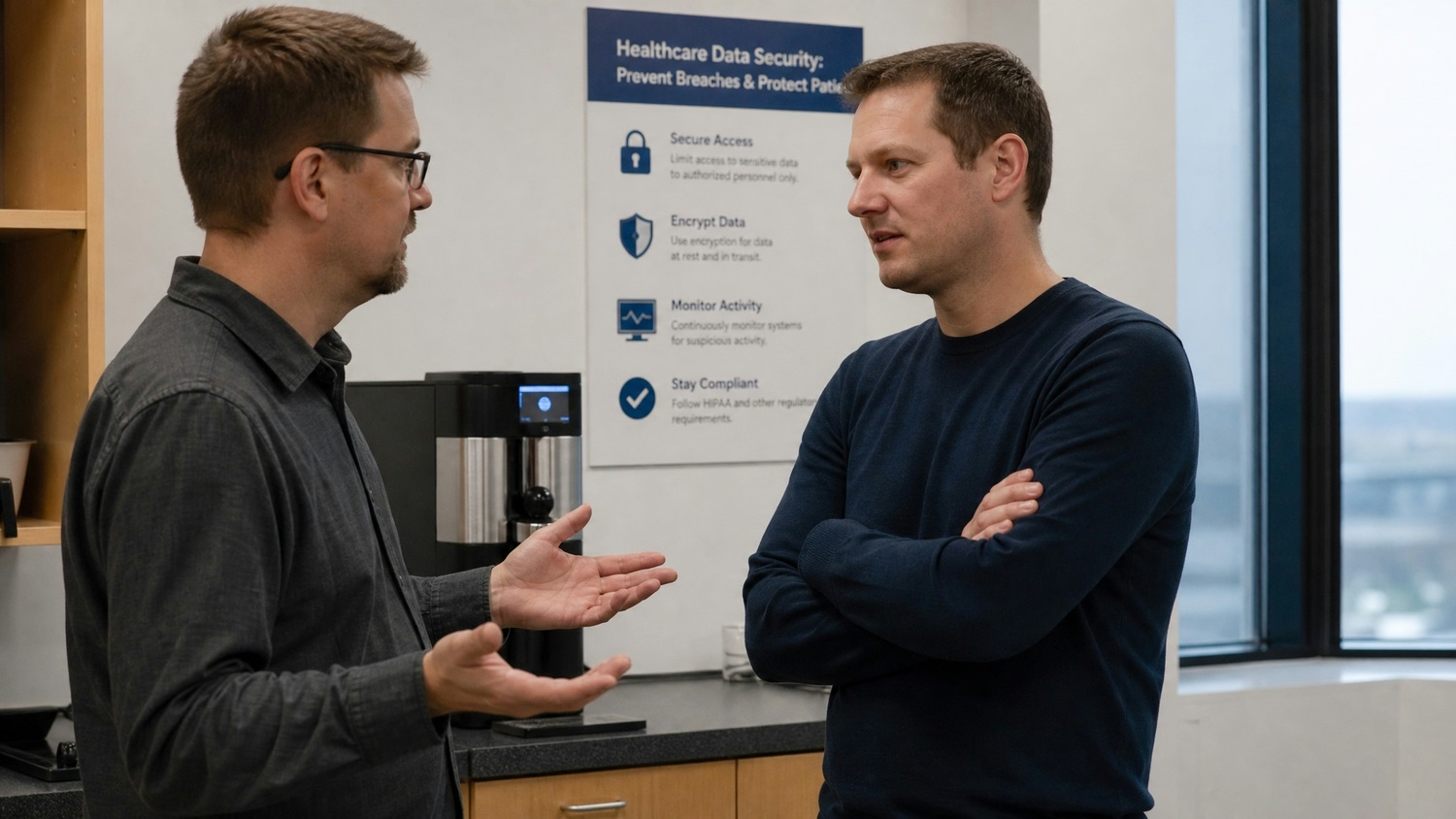
When putting healthcare data security measures in place, it's important to balance protection with usability. Too many restrictions can slow down your team, while too few leave you exposed. Work with IT support for healthcare organizations to find solutions that fit your size and workflow.
HIPAA IT compliance requirements are a starting point, but you should also look at best practices like multi-factor authentication and regular security audits. Make sure your policies are clear and easy to follow, and update them as your organization grows. By making security part of your everyday operations, you help protect both your patients and your business.
Here are some best practices every healthcare organization should follow:
Following these steps helps you stay ahead of threats and keep your patient data secure.
Are you a business with 10 to 350 employees looking to improve your healthcare data security? Growing organizations face unique challenges as they handle more patient data and navigate complex HIPAA IT compliance requirements. Our team understands what it takes to protect sensitive information while keeping your operations running smoothly.
We help healthcare organizations like yours manage security risks, implement effective data protection strategies, and respond quickly to any breach. If you want reliable IT support for healthcare organizations and a partner who puts your needs first, contact us today to learn how we can help safeguard your data.
Preventing a healthcare data breach starts with strong security measures, like using data encryption and limiting access to sensitive patient data. Regular staff training and up-to-date software are also critical. By focusing on these areas, you greatly reduce the risk of unauthorized access or accidental leaks.
Healthcare organizations must also have clear security policies and an incident response plan. This helps your team know exactly what to do if a breach occurs, minimizing the impact and helping you stay compliant with industry regulations.
The most common healthcare data security risks include phishing attacks, weak passwords, and unsecured devices. These threats can lead to unauthorized access or loss of sensitive healthcare information.
To address these risks, healthcare providers should use strong authentication methods and regularly review who has access to protected health information. Keeping systems updated and monitoring for unusual activity also helps prevent problems before they start.
The importance of data security in healthcare is high because patient data is extremely sensitive and valuable to cybercriminals. A breach can lead to identity theft, financial loss, and harm to patients.
Healthcare organizations handle large amounts of protected health information, making them prime targets for attacks. By prioritizing data protection, you help maintain patient trust and avoid costly legal issues.
If a healthcare data breach occurs, act quickly by containing the breach and identifying what data was affected. Notify all impacted parties and follow your incident response plan.
It's also important to report the breach to regulatory bodies as required by HIPAA. Afterward, review your security measures and update them to prevent future incidents.
A security framework is a set of guidelines and best practices designed to protect healthcare data. It covers areas like access controls, data encryption, and regular security audits.
Implementing a security framework helps healthcare organizations stay compliant with HIPAA IT compliance requirements and manage risks more effectively. It also makes it easier to respond to new threats as they arise.
To ensure effective healthcare data protection, use a combination of technical tools and strong policies. This includes regular staff training, secure backups, and monitoring for suspicious activity.
Working with IT support for healthcare organizations can help you stay ahead of threats and keep your systems secure. Regularly reviewing and updating your security measures is key to long-term protection.
After almost 15 years working in corporate Information Technology in Atlanta, Georgia, Tyler Jones left his role as Vice President of Service Operations with a national payroll provider in 2011 to start Carmichael Consulting Solutions, LLC.


.svg)
-svg.webp)
.svg)