A cybersecurity audit is more than a checkbox for compliance—it’s a critical part of protecting your business. Whether you're managing sensitive information or working with third-party vendors, understanding your current security posture is essential. In this blog, we’ll walk through what a cybersecurity audit involves, common mistakes to avoid, and how to strengthen your information security. You’ll also learn about different types of audits, how often to conduct them, and what to expect from cybersecurity auditors.
[.c-button-wrap2][.c-button-main2][.c-button-icon-content2]Contact Us[.c-button-icon2][.c-button-icon2][.c-button-icon-content2][.c-button-main2][.c-button-wrap2]
A cybersecurity audit is a full review of your organization's digital defenses. It checks how well your systems, policies, and procedures protect against cyber threats. This process helps identify vulnerabilities and ensures your business meets security standards.
The goal is to evaluate your security controls and see if they’re working as intended. An audit also helps you stay compliant with industry regulations. For businesses in regulated sectors, like healthcare or finance, this isn't optional—it's required. Even if you're not in a regulated industry, a cybersecurity audit gives you a clear picture of your risk management strategy.

Even with the best intentions, businesses often make errors during cybersecurity auditing. These mistakes can leave gaps in your defenses. Here are some of the most common ones and how to avoid them.
Some companies only perform an audit after a breach or when required by law. This reactive approach increases your risk. Regular audits help catch issues early, before they become serious problems.
IT teams often lead audits, but they shouldn’t be the only ones involved. Include leadership, compliance officers, and even third-party vendors when necessary. A broader view leads to better results.
Cyber threats evolve quickly. If your audit tools are outdated, you’ll miss new types of attacks. Use current software and methods, including penetration testing, to get accurate results.
A cybersecurity audit isn’t just about digital systems. Physical access to servers, workstations, and network equipment also matters. Overlooking this can leave your information systems exposed.
An audit is only useful if you fix the problems it uncovers. Prioritize the most serious vulnerabilities and assign clear deadlines for resolution.
Not all threats come from outside. Employees can accidentally or intentionally cause harm. Make sure your audit includes checks for internal and external risks.
A cybersecurity audit offers more than just peace of mind:

External cybersecurity audits are performed by independent cybersecurity auditors. These professionals bring a fresh perspective and are often required for regulatory compliance. They follow a formal process to assess your systems, policies, and procedures.
Unlike internal reviews, external audits are more objective. They can uncover blind spots your internal team might miss. These audits often include a review of documentation, interviews with staff, and technical testing. Businesses should prepare by gathering relevant documents and ensuring that key personnel are available to answer questions.
A structured approach makes cybersecurity auditing more effective. Here’s how to do it right.
Start by deciding what systems, departments, or locations the audit will cover. This helps focus your efforts and ensures nothing important is missed.
Collect policies, procedures, and previous audit reports. This gives auditors the background they need to assess your current setup.
Identify areas where your business is most vulnerable. This includes both technical and operational risks.
Review how well your current controls protect against cyber threats. This includes firewalls, access controls, and antivirus tools.
Use tools like vulnerability scans and penetration testing to find weaknesses. These tests simulate real-world attacks.
Review the results and identify which issues need urgent attention. Prioritize fixes based on risk level and impact.
Create a clear report outlining the findings and recommended actions. Then, assign tasks and deadlines to fix the issues.

How often should you conduct a cybersecurity audit? It depends on your industry, company size, and risk level. At a minimum, aim for an annual audit. Businesses handling sensitive information or operating in regulated industries may need audits more frequently.
Frequent audits support continuous monitoring and help you stay ahead of evolving threats. They also show clients and regulators that you take cybersecurity seriously. If you’ve recently made major changes—like adopting new software or expanding to new locations—consider scheduling an extra audit.
Following best practices helps ensure your audit is effective and efficient:
A strong audit process not only protects your systems but also strengthens your business.
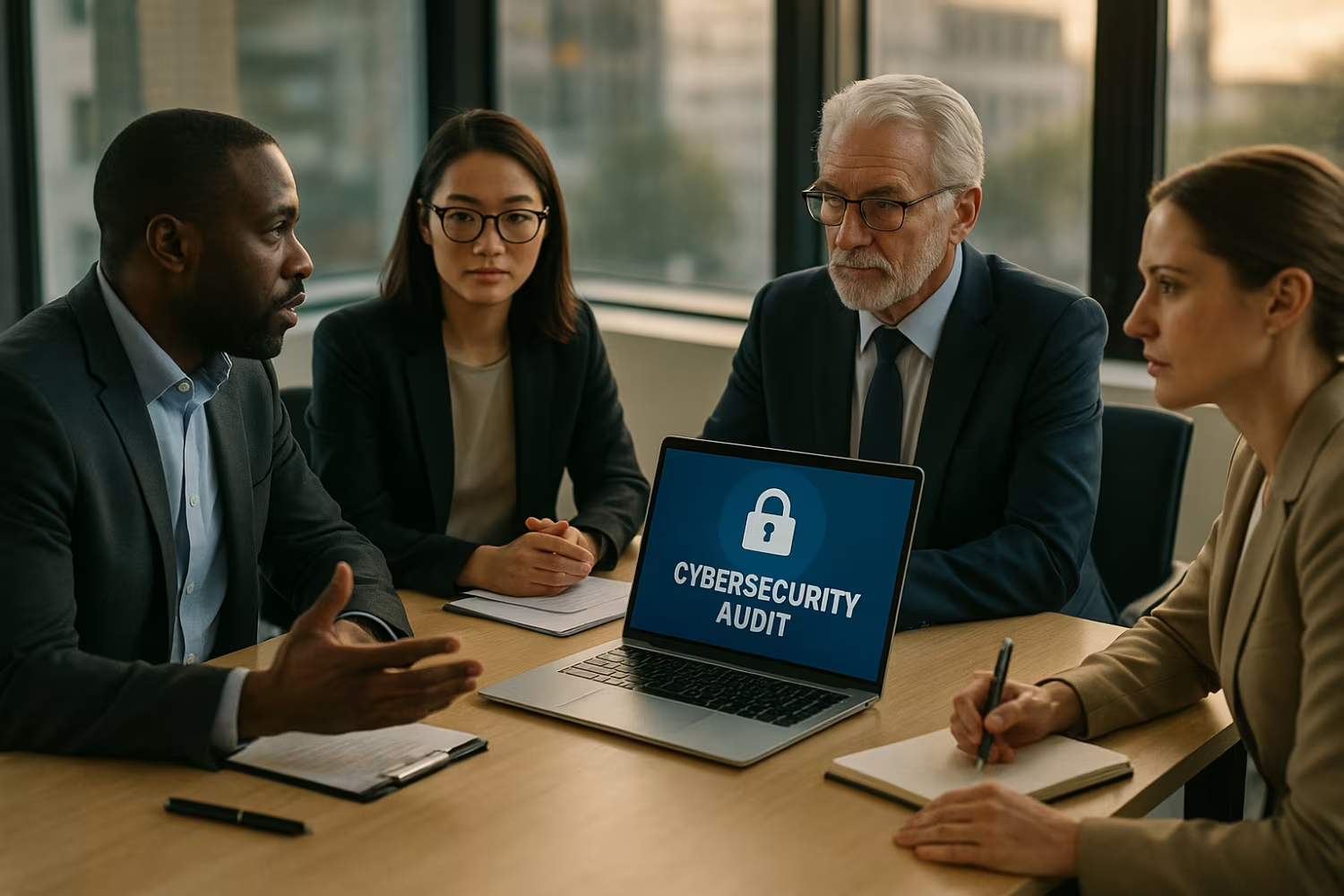
Are you a business with 10 to 350 employees looking to improve your cybersecurity? If you're growing fast or handling sensitive data, you can't afford to overlook your digital defenses. A cybersecurity audit can help you find and fix weak spots before they become real problems.
At Carmichael Consulting Solutions, we specialize in helping businesses like yours conduct thorough, effective audits. Our team works with you to understand your needs, assess your systems, and guide you through every step of the process. Contact us today to get started.
A cybersecurity audit focuses specifically on digital systems, while a security audit includes both physical and digital aspects. Both help identify vulnerabilities and improve your security posture. Cybersecurity audits are more technical and often involve testing tools and reviewing IT policies.
Security audits may also look at building access, employee behavior, and other non-digital risks. Both types are important for a complete risk management strategy.
Audit frequency depends on your industry and risk level. Most businesses should conduct a cybersecurity audit at least once a year. Companies in regulated industries or those handling sensitive information may need audits more often.
Frequent audits support continuous monitoring and help you stay compliant with changing regulations. They also reduce the chance of missing new cyber threats or weaknesses in your information systems.
A good security audit checklist includes reviewing access controls, firewall settings, antivirus software, and employee training. It should also cover physical security and third-party vendor policies.
Make sure to include penetration testing and a review of your incident response plan. This helps ensure your business is prepared for both internal and external threats.
Cybersecurity auditors can be internal staff or external professionals. External cybersecurity audits offer more objectivity and are often required for compliance.
Choose auditors with experience in your industry and knowledge of current cyber threats. They should also understand your business goals and be able to explain technical findings in simple terms.
The benefits of a cybersecurity audit include identifying weaknesses, improving security controls, and ensuring compliance. For small businesses, audits can prevent costly breaches and build client trust.
They also help prioritize limited resources by focusing on the most critical risks. A well-executed audit supports better decision-making and long-term growth.
Start by gathering documentation, defining the audit scope, and identifying key personnel. Make sure your systems are up to date and that staff understand their roles.
Preparation also includes reviewing past audits and current security policies. This helps the auditor quickly assess your information security and focus on areas that need improvement.
%20(1).jpg)
After almost 15 years working in corporate Information Technology in Atlanta, Georgia, Tyler Jones left his role as Vice President of Service Operations with a national payroll provider in 2011 to start Carmichael Consulting Solutions, LLC.


.svg)
-svg.webp)
.svg)